
 By Keven Galolo
Key Takeaways
- Treat alone time as a choice, not a sign something is wrong.
- Remember that most people notice far less than you think.
- Build a life outside your relationship so your mood stays steady.
- Practice saying what you want in small, low-stakes moments.
- Talk to yourself the way you would talk to a good friend.
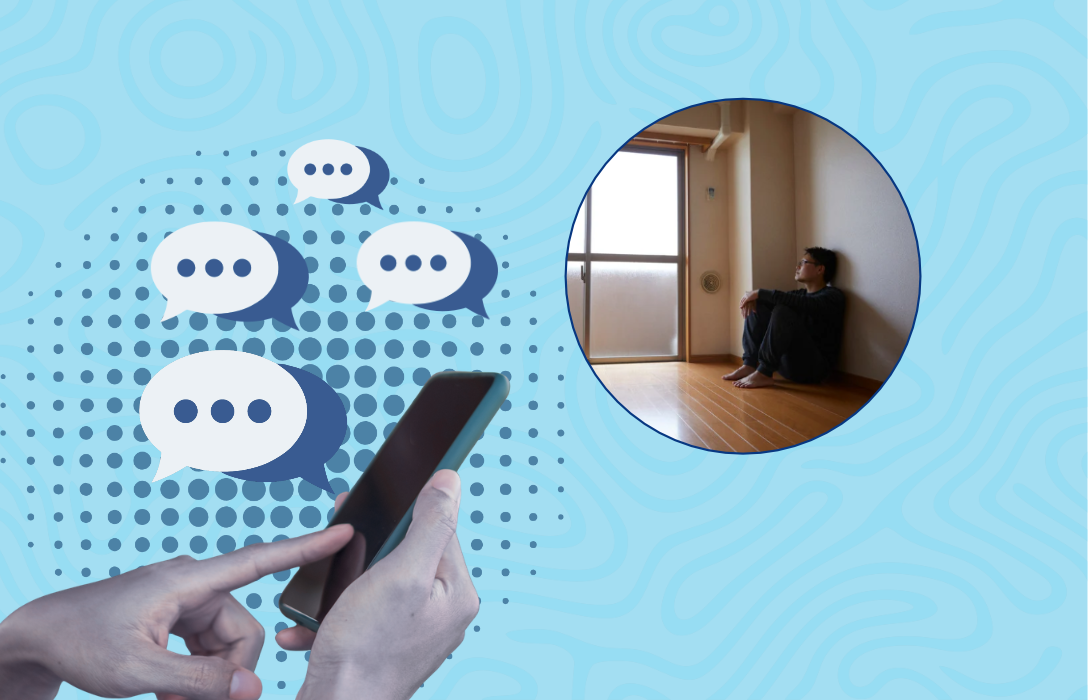
Most of us look for comfort in other people first. A text back. A hug. A quick “you’re fine.” I get it. Still, I’ve watched that habit backfire in relationships, where one person’s mood slowly starts running the whole show. If you’re searching for ways of finding comfort in yourself, you’re probably tired of that ride.
You want steady ground that doesn’t shift when someone goes quiet. Good news: you can build it. It takes practice, not a personality transplant. Think of this as a quick advice session on four everyday problems, from feeling awkward alone in public to losing your self-worth the moment someone disagrees with you.
Why Being Alone Feels Uncomfortable
Picture eating dinner alone. Your brain starts narrating: everyone thinks I got stood up. I’ve been there, and it’s miserable for about ten minutes.
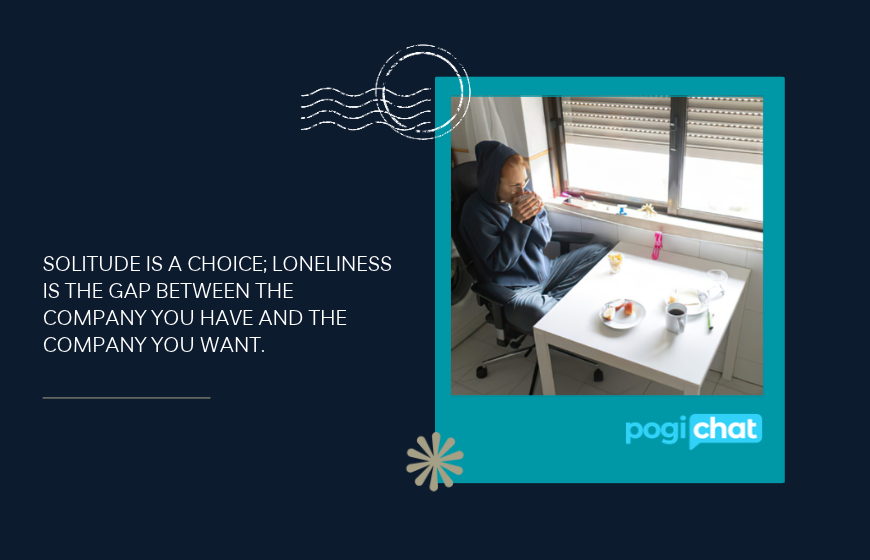
According to NBC News’ reporting on solitude, psychotherapist Arnie Kozak says being alone feels bad because people confuse solitude with loneliness and never learn what to do with quiet time. Carleton University psychologist Robert Coplan explained in a CTV News interview that solitude is a choice, while loneliness is the gap between the company you want and the company you have. His research found that even 15 minutes alone daily can calm emotions for a week.
Doing Things Alone in Public
Almost nobody is watching you. Cornell psychologist Thomas Gilovich tested this with a goofy experiment. Students wore a Barry Manilow T-shirt into a room of peers and guessed about half would notice it. Only about a quarter did. Researchers call this the spotlight effect: we overestimate how closely others watch us.
So the person at the next table is mostly thinking about their own fries. I find that freeing. Treat it as the independent move it is. Begin with a coffee, then a movie, then dinner. The first outing feels strange. The fifth feels normal.
When Your Mood Depends on Your Partner
This usually happens when the relationship becomes the center of your universe. Everything else shrinks to make room. Then one short reply from them can wreck your whole afternoon.
Research from Chip Knee and colleagues in the Journal of Personality and Social Psychology calls this relationship-contingent self-esteem, an unhealthy kind of self-worth that rises and falls with the relationship. Couples where both partners scored high on it felt more committed, yet not more satisfied or close.
My pet peeve is advice to just “be less needy.” Useless. Rebuild the rest of your life instead. Keep the hobby, the friends, the work you care about. Your partner should be a great part of your life, not the beam that holds up the whole house.
READ ALSO: Deep Questions to Ask Your Partner to Build Real Intimacy
Speaking Up in Your Relationship
According to Verywell Mind’s guide to people-pleasing, the telltale sign is doing something because you fear being disliked or rejected if you say no. The guide suggests practicing “no” in small steps.
Tell your partner which restaurant you actually want. Pick the movie. Disagree about pineapple on pizza. Low stakes, real practice. And you don’t have to debate everything. Sometimes silence just saves your energy.

Chat with strangers
from around the world
Random, anonymous, and instant — no sign-up required. Just click and start talking.
Hiding your views also costs closeness. Research from Brigham Young University, which Psychology Today covered, ties a strong need for approval to weaker emotional intimacy, because people hold back what they truly think and feel.
Building Self-Worth From Within
Caring about feedback is human. Letting it set your value is the trap.
Self-compassion has three parts: self-kindness instead of self-judgment, common humanity instead of isolation, and mindfulness instead of getting swept up in painful thoughts. Plainly put, you talk to yourself like a good friend would, remember that everyone struggles, and notice feelings without drowning in them.
Keep small promises: the walk, the bedtime, the boundary. Live by your values so you respect the person in the mirror. And if someone doesn’t like you? You’re just not their cup of tea. That’s not a flaw.
Finding comfort in yourself isn’t a one-time breakthrough. It’s a pile of small choices. Sit with your coffee alone. Say what you actually think. Keep one promise to yourself today. Build a life that holds up even when your relationship has a rough week.
Your partner can still be a big, happy part of it. Research on self-compassion points the same direction: kindness toward yourself makes you steadier, not softer. So start with one small thing this weekend. Be patient with the wobbly days. They’re part of the process, and they get easier. You’ve already taken the first step: you showed up.
Frequently Asked Questions
What does finding peace in yourself mean?
It means your calm doesn’t hinge on someone else’s approval. Finding solace in yourself carries the same idea: you can soothe your own hard moments.
Is it selfish to put yourself first in a relationship?
No. Stanislaus State’s health education page on self-compassion notes that studies show self-compassionate people are more caring and supportive in relationships.
How do I start after a breakup?
Start tiny. One solo coffee. One promise you keep. Coplan’s research suggests chosen alone time works best, so pick it deliberately.
Who sings “Find Comfort in Yourself”?
Midtown does. According to Wikipedia’s album page, it closes their 2002 record Living Well Is the Best Revenge and was written by guitarist Heath Saraceno. I can’t share the lyrics, but your music app or a licensed lyrics site can.
Do finding peace in yourself quotes actually help?
A quote can nudge you, but habits do the work. Pick one line, stick it on your mirror, and pair it with one small action.