
 By Saurav Roy
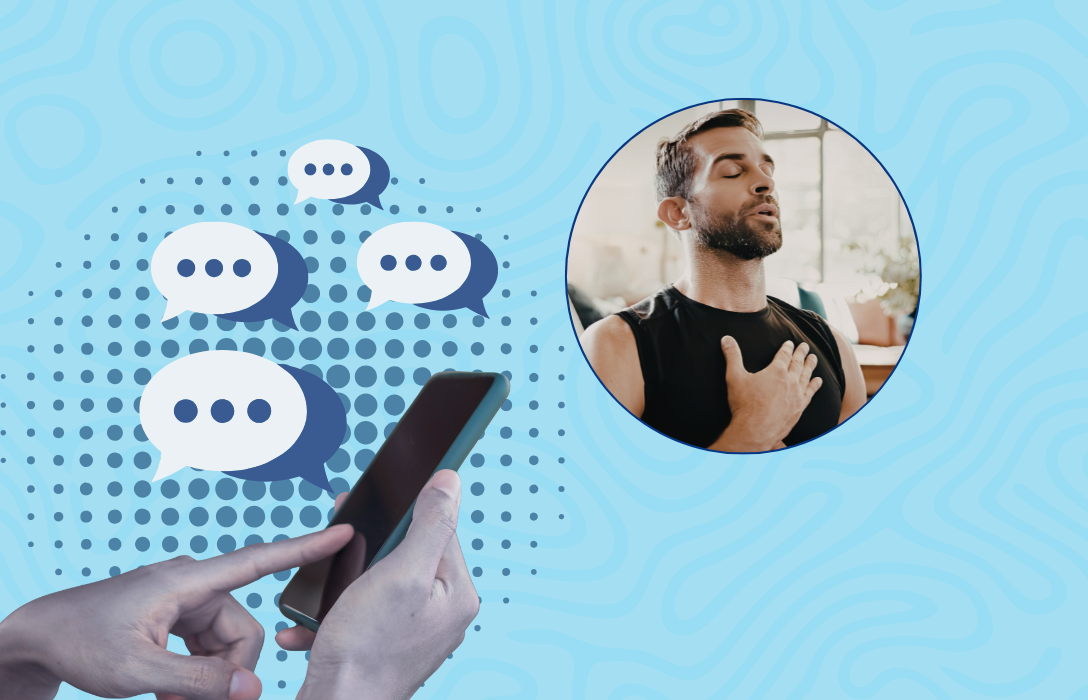
Some of us spent years trying every popular internet tip for social anxiety. Breathing into paper bags and repeating positive phrases did nothing when your hands were shaking. What if you finally set up a time to meet someone you met on PogiChat?
Walking up to someone from an online chat room makes those nervous jitters hit even harder. What actually works for social anxiety is rarely taught in generic listicles.
Most tips try to stop your nervous system from firing, which goes against basic biology. You end up focusing on your pounding heart, making the panic worse. Real progress starts when you stop trying to fix the physical feeling and change your reaction to it. Research in the PMC Repository confirms that exposure strategies reduce fear far better than passive tricks.
Why Traditional Advice Often Fails
Trying to fix your nerves during a social event is a trap. Quick breathing tricks and generic self-help methods often fail because they treat your natural body response as a broken system. Your mind thinks you are in real danger. Telling yourself to calm down during panic is like fighting a fire with a squirt gun.
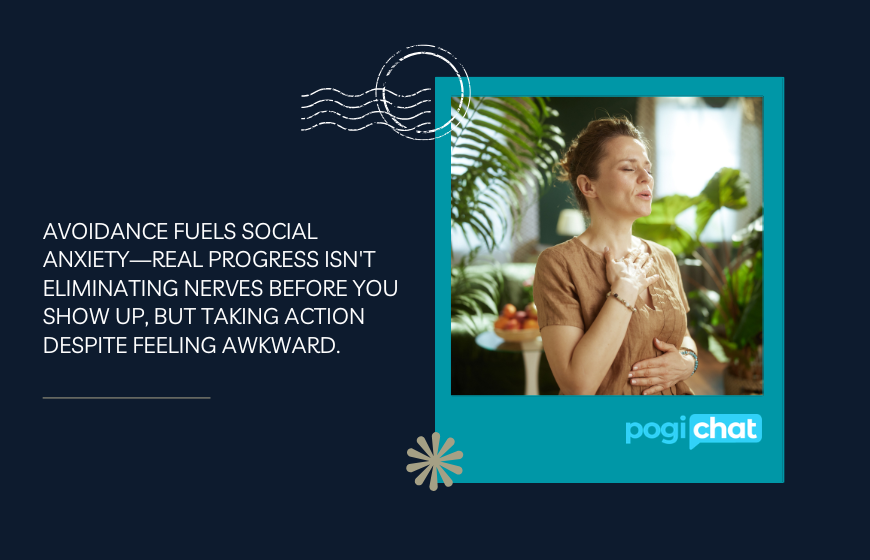
The real problem is avoiding social situations. I used to cancel plans at the last second, and the relief felt great. However, that short-term relief is dangerous. Every time you run away from an awkward interaction, you send a signal to your brain. You teach your primitive brain that a normal chat was a real threat to your survival. The next time that situation comes up, your brain sends an even stronger panic signal.
We need to change our goal completely. Stop trying to eliminate anxiety before you leave the house. The real victory lies in acting while feeling awkward.
The Fear of Social Rejection
Your brain operates on ancient survival software. In hunter-gatherer times, getting kicked out of the group meant actual death. Social anxiety tricks your brain into treating minor embarrassment like a dangerous animal. A public mistake triggers the exact same fight-or-flight response. A study from the Journal of Neuroscience shows that social rejection activates threat networks in the brain, creating intense alarm.
Experiencing safe awkwardness disarms this ancient alarm system. You can survive an awkward silence, let someone down, and walk away totally fine. Once your brain sees you surviving minor social disasters, the fear starts losing its power.
You also must quiet the harsh inner voice that shows up afterward. People with social anxiety carry a critical voice that judges every word. Noticing that harsh voice and softening your self-talk removes a major layer of panic.
Breaking the Fear Loop with Action
Intentional embarrassment exercises work wonders for retraining your mind. You deliberately create tiny, controlled moments of awkwardness to show your nervous system that nothing bad happens. Try asking a clerk for help finding an obvious item, or walk out of a shop without buying anything. These small moments prove that awkwardness is completely harmless.
Waiting for confidence before taking action is a mistake. Confidence is a result, not a starting point. You take action while feeling nervous, and real confidence builds after surviving the experience.
Shift your focus outward during conversations. Anxious people spend all their energy monitoring their own racing heart, sweating palms, and voice. Turn your attention away from your body. Focus entirely on the person in front of you or the room around you.

Chat with strangers
from around the world
Random, anonymous, and instant — no sign-up required. Just click and start talking.
Stopping Overthinking After Socializing
Analyzing every conversation ruins progress faster than anything else. You get home after an event, lay in bed, and dissect every single sentence. This habit builds deep shame and feeds long-term fear.
You need pre-planned distractions to interrupt overthinking loops. As soon as overthinking begins, pivot immediately to an engaging task. Play a game, call a family member, or complete a workout. Interrupting the loop starves the anxiety.
Treating focus control as a physical muscle changes everything. Stopping negative thought loops takes practice. Redirecting your focus away from self-judgment gets easier each time you do it.
RECOMMENDED READING:
Why People Ghost: The 4 Hidden Psychological Triggers Behind Sudden Silence
How to Talk to Anyone: The Psychology Trick for Effortless Small Talk
How to Build Real Social Confidence: 5 Proof-Based Steps That Work
Frequently Asked Questions
Why does my social anxiety get worse when I try to relax?
Forcing yourself to relax creates hyper-awareness of physical symptoms. That intense focus signals to your brain that something is wrong, increasing overall panic.
What are intentional embarrassment exercises?
Intentional embarrassment exercises involve deliberately creating small moments of social awkwardness. This practice teaches your nervous system that public mistakes or awkward silences will not harm you.
How do I stop overthinking every conversation I have?
Interrupt the loop immediately with a pre-planned, engaging activity. Redirecting your attention prevents your brain from building long-term fear and shame.
Is social anxiety completely curable?
Social anxiety is manageable rather than something you erase completely. Most people learn to reduce its intensity by changing how they respond to nervous feelings.
Why do I feel sick before a social event?
Your brain misinterprets social situations as life-threatening events. It triggers a rush of adrenaline, which redirects blood flow away from your stomach and causes nausea.