
 By Keven Galolo

Have you ever sat across from someone you care about, wanting to feel close, but instead, everything feels a little off?
Many people, even in long-term relationships, quietly wonder: Why does intimacy feel forced sometimes? Why do we pull back just as things get close—or worry that something’s wrong with us when we do?
If you’ve searched for answers or scrolled through online forums, you’ve seen how common these questions are. People in every kind of relationship—new or old, with someone from their hometown or a partner from another country—ask the same thing. Let me reveal why the real, often hidden reasons intimacy sometimes feels unnatural, and what you can do about it.
Why Do We Worry About Getting Close to Someone?
Most of us want deep connection. Yet, when it’s right there in front of us, we hesitate. It’s common to feel awkward or anxious when intimacy comes up, even if we care about the person next to us. You might crack a joke to dodge a serious talk, or suddenly feel restless when your partner reaches for your hand. Sometimes, you even ask yourself, “Is it normal that intimacy feels forced right now?”
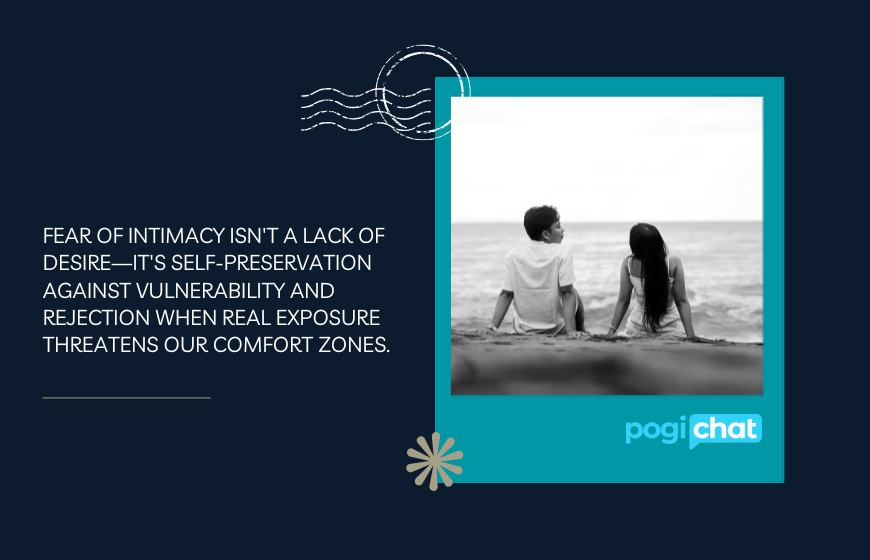
Why do we hold back? According to Dr. Brené Brown, a renowned researcher on vulnerability, many people fear intimacy not because they don’t want it, but because getting close means exposing our real selves—and risking rejection.
This fear doesn’t always show up as panic. Sometimes, it’s as simple as pulling away during a serious talk or feeling “off” when things get too personal. In online communities, you’ll find countless stories where someone says, “I want to get close, but it feels awkward when I try.” The truth? You’re not broken. You’re human.
When Intimacy Feels Different: Men vs. Women
If you’ve ever asked for more closeness and felt misunderstood, you’re not alone. Community comments highlight that intimacy from a man and intimacy from a woman can look—and feel—very different.
For example, one person might crave deep conversation, while the other values physical affection or quality time. This difference can create mixed signals. If you expect closeness to look the same as it does for you, it’s easy to take things personally when your partner connects in a different way.
Relationship expert Esther Perel explains that our expectations around intimacy are shaped by culture, upbringing, and gender roles. Recognizing these differences is often the first step to building empathy—and not blaming yourself or your partner when intimacy feels forced.

Chat with strangers
from around the world
Random, anonymous, and instant — no sign-up required. Just click and start talking.
How Fear of Intimacy Shows Up
Fear of intimacy doesn’t always mean panic attacks or big arguments. Often, it’s subtle. You might avoid eye contact, change the subject when things get personal, or feel restless during close moments. This is how a fear of intimacy typically manifests in everyday life.
Psychologists call this “protective distance.” We keep ourselves safe from possible hurt by not getting too close. Sometimes it’s because of past heartbreak. Other times, it’s because we grew up in a family where feelings weren’t openly shared.
Here’s a real example: In a recent Reddit thread, a user described always feeling the urge to leave the room when their partner wanted to talk about emotions. They cared deeply, but old habits made vulnerability feel dangerous.
Triggers for these reactions include:
- Past relationships that ended badly
- Feeling like you don’t “fit” with your partner
- Childhood experiences where closeness wasn’t safe or valued
Each of these can build an invisible wall, making intimacy feel forced even when you want it deeply.
Intimacy in Relationships With Foreigners
Being in a relationship with a foreigner adds another layer. Many forum users say that cultural differences can make intimacy confusing. What feels natural in one culture—like open talk about emotions—might feel strange or even uncomfortable to someone from another background.
For example, in some cultures, physical touch is a key sign of closeness. In others, private conversation or acts of service speak louder than hugs or kisses. If your partner grew up in a place where feelings weren’t openly discussed, they may pull back when you try to share yours.
Famous couples therapist Dr. John Gottman notes that misunderstanding these norms can lead to frustration on both sides. The secret? Both partners need patience and curiosity to bridge these invisible gaps. Ask questions and be open to learning—not just about your partner’s culture, but about your own beliefs too.
RECOMMENDED READING:
Dating Foreigners as a Filipina: 5 Rules for Equal Love
Why Foreigners Move to the Philippines: The Top Reasons Expats Are Leaving the West Behind
These Are the Types of Foreigners Filipinas Really Love
Why Intimacy Sometimes Feels Like a Chore
Sometimes, intimacy feels less like a gift and more like another thing to check off the to-do list. This is especially true if you’re tired, stressed, or out of sync with your partner. People often describe intimacy as something they “should” do, not something that comes naturally.
This forced feeling can be a sign that deeper needs aren’t being met. Maybe you’re both carrying unspoken worries or resentments. Maybe you’re just exhausted from work, kids, or life in general. If you find yourself thinking, “Intimacy feels forced, but I don’t know why,” it’s worth pausing to ask: What’s really going on underneath?
Relationship coach Mark Manson suggests that honest conversations—where you admit what feels off—can break this cycle. Instead of pushing through, try talking about what feels forced and why. Chances are, your partner feels it too.
Small Steps Toward Real Closeness
Building true intimacy isn’t about grand gestures. It’s about small, safe moments of sharing or listening. Accept that it’s normal for intimacy to feel awkward at times, especially if you’re dealing with old fears or new cultural differences.
Start with tiny steps:
- Share one thing about your day you wouldn’t normally mention.
- Ask your partner how they feel, and really listen.
- Notice what kind of intimacy your partner values, and try it their way once.
Remember, real connection grows in honest, low-pressure moments—not by forcing closeness, but by understanding what’s in the way.
If you’ve ever wondered why intimacy feels forced, you’re already on the path to understanding yourself and your relationships better. Whether you’re connecting with someone from a different background or struggling with old fears, the key is to notice what’s happening beneath the surface.
Intimacy from a man might look different than intimacy from a woman, and in a relationship with a foreigner, these gaps can feel even wider. But with patience, honesty, and small steps, real closeness is possible. The next time you feel that awkward distance, remember: you’re not alone—and the path forward starts with a single honest moment.
FAQs
Why does intimacy sometimes feel unnatural?
Intimacy can feel unnatural when old fears or cultural habits make us cautious about sharing our true selves.
How does a fear of intimacy typically manifest?
It shows up as avoidance, like changing the subject, pulling away, or feeling restless during close moments.
What makes intimacy feel forced in a relationship with a foreigner?
Different cultural norms about closeness, touch, or sharing feelings can cause misunderstandings and make intimacy feel awkward.
Does intimacy from a man differ from intimacy from a woman?
Yes. Each person may have their own way of showing closeness—some may prefer conversation, others physical affection or shared activities.
Can intimacy feel forced even in long-term relationships?
Absolutely. Stress, exhaustion, or unspoken worries can all make intimacy feel like a chore at times.
What helps if intimacy feels forced?
Start with honest, low-pressure conversations and small moments of sharing. Understanding the reasons behind the feeling is the first step toward real connection.