
 By Keven Galolo

Ever catch yourself pausing during a Filipino fiesta—surrounded by laughter, the aroma of lechon in the air, and the unmistakable warmth of community—and wonder, “Do I genuinely enjoy this culture, or am I just going along for the ride?”
If you’ve ever lived in, visited, or even daydreamed about life in the Philippines, you’ve probably asked yourself: How many of you legitimately enjoy Filipino culture? You’re not alone. For expats, travelers, and curious souls alike, Filipino culture is a tapestry woven from vibrant traditions, heartfelt hospitality, and a few delightful quirks that are easy to love—and sometimes, hard to fully understand.
Let’s pull back the curtain and explore what it really means to enjoy Filipino culture—not just on the surface, but in the everyday moments that make expat life in the Philippines unforgettable.
What Does It Mean to Truly Enjoy Filipino Culture?
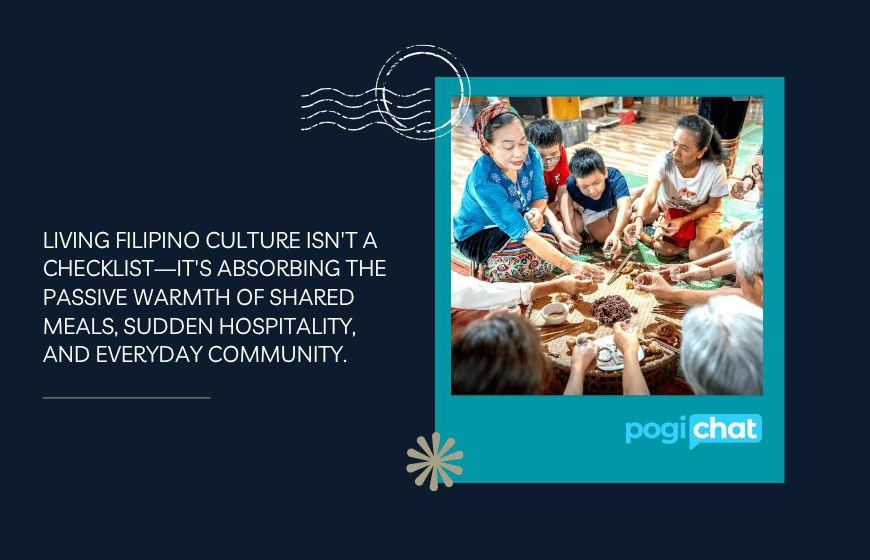
Enjoying Filipino culture isn’t about ticking off some bucket list. It’s the random weekday dinners with your neighbor, the spontaneous invites to a fiesta, the way a single “Kumain ka na?” can make you feel right at home. If you find yourself smiling at these little moments, you’re already in deeper than you think.
Expats on Their Favorite Aspects of Filipino Life
To get a real sense of how expats enjoy Filipino culture, I asked a few friends and colleagues to share their experiences.
Sarah, 32, from Canada:
“My favorite thing is how family-oriented everything is. I remember my first Christmas Eve here—Noche Buena—when my neighbor invited me to join their family dinner. I was practically a stranger, but they welcomed me like I belonged. That sense of belonging? I’ve never felt it anywhere else.”
James, 45, from the UK:
“I used to think all Filipino food was just rice and fried chicken. But after joining a fiesta in Iloilo, I was blown away. La Paz Batchoy, fresh mangoes, kinilaw—there’s so much variety. Now, I look forward to discovering new dishes every month.”
Maria, 28, from Spain:
“It’s the small things. The way people smile at you, even when you’re lost. Or how everyone becomes your ‘Ate’ or ‘Kuya’—it’s like finding a family everywhere you go.”
Beyond the Obvious: Cultural Nuances You Might Miss
Filipino culture is famous for food, fiestas, and hospitality. But look closer, and you’ll find layers of nuance that even seasoned expats can miss.
Pamamanhikan:
Before a couple marries, the groom’s family visits the bride’s family to formally ask for her hand. It’s not just a formality—it’s a heartfelt tradition that sets the tone for lasting family ties.
Pasalubong:
Bringing home gifts for friends and family after a trip isn’t just thoughtful—it’s expected. Pasalubong is a way of saying, “I thought of you.”
Utang na Loob:
This concept of debt of gratitude shapes relationships and community ties. It’s a value that underpins why Filipinos are so quick to lend a hand, and why favors are rarely forgotten.
The Subtle Art of “Yes” and “No”:
Sometimes, “yes” doesn’t mean agreement—it can mean, “I hear you.” Understanding these subtleties can save you from confusion (and a little embarrassment).

Chat with strangers
from around the world
Random, anonymous, and instant — no sign-up required. Just click and start talking.
Challenges & Misconceptions: The Real Expat Experience
Let’s get honest for a second. Adjusting to life here? It’s not always a walk in Rizal Park. You might butcher a Tagalog phrase and get a round of giggles. Or maybe you’ve nodded along, totally lost, as someone drops a joke in Bisaya. Even the most “worldly” expats have those “wait—what just happened?” moments. But honestly? Those awkward stumbles often turn into the best stories.
- Stereotypes: Some expats expect life in the Philippines to be all beaches and parties. The reality? Adapting to a new culture takes patience and open-mindedness.
- Cultural Missteps: Maybe you forgot to remove your shoes before entering a home, or misunderstood a subtle “no.” We’ve all been there.
- Language Barriers: While English is widely spoken, regional dialects and local slang can make you feel like you’re missing half the conversation.
- Misconceptions: The idea that Filipino hospitality is always unconditional, or that every Filipino loves karaoke, can lead to awkward moments.
But here’s the thing:
Every challenge is an opportunity to learn—and often, these awkward moments become your favorite stories to share over a bottle of San Miguel.
How Filipino Culture Enriches Expat Life
So, what’s the real impact of Filipino culture on day-to-day expat life in the Philippines?
- Community Connection: Even in the busiest cities, there’s a sense of neighborhood and belonging. Strangers become friends, and friends become family.
- Celebration of Life: From colorful festivals like Sinulog and Ati-Atihan to impromptu karaoke nights, there’s always a reason to celebrate.
- Work-Life Balance: Filipinos know how to work hard—but they also know how to enjoy life. Long lunches, coffee breaks, and merienda (afternoon snacks) are sacred.
- Resilience & Positivity: Through typhoons and traffic jams, the Filipino ability to smile and adapt is contagious. It’s a lesson in gratitude and optimism that stays with you.
RECOMMENDED READING:
Why Foreigners Move to the Philippines: The Top Reasons Expats Are Leaving the West Behind
How to Make a Filipina Fall for You — Not Your Money
These Are the Types of Foreigners Filipinas Really Love
Giving Back and Growing Together
Appreciating Filipino culture isn’t a one-way street. The most rewarding expat experiences come from genuine cultural exchange.
- Sharing Your Own Traditions: Host a holiday meal, teach a recipe, or introduce friends to your favorite music.
- Learning Local Customs: Take part in barangay clean-up days, join local festivities, or volunteer at community events.
- Building Bridges: The more you give, the more you receive. Cultural exchange leads to understanding, friendship, and a true sense of home.
What Long-Term Expats and Locals Say
Enjoying Filipino culture is about openness. It’s about seeing the beauty in everyday interactions, understanding the why behind traditions, and showing respect—even when things seem unfamiliar.
An expat of 12 years says:
“It took time to adjust, but I wouldn’t trade my life in the Philippines for anything. The food, the friendships, the sense of community—you have to dive in to really appreciate it.”
How Do You Enjoy Filipino Culture?
Take a moment to reflect—and share your experience!
Which aspects of Filipino culture do you enjoy most?
- Filipino food and cuisine
- Community festivals and traditions
- Everyday social interactions
- Family values and hospitality
- Other (share in the comments!)
Cast your vote below and join the conversation.
Reasons to Love the Philippines
So if you’re here wondering, “Do I really enjoy Filipino culture?”—maybe you already have your answer. It’s in the laughter at a crowded dinner table, the comfort of a neighbor’s wave, the thrill of trying something new (and probably spicy). The Philippines has a way of sticking with you, long after you’ve left the island or closed the tab.
Here’s what stands out:
- Filipino culture is both welcoming and profound.
- Life in the Philippines offers daily lessons in gratitude and joy.
- Everyone’s journey is unique—embrace the challenges and share your stories.
FAQ
What are some essential cultural values foreigners should understand when visiting or moving to the Philippines?
Key concepts include utang na loob (a deep sense of reciprocal gratitude), pasalubong (the tradition of bringing back gifts for loved ones after traveling), and pamamanhikan (formal family meetings before marriage). Beyond these, day-to-day interactions revolve around respect, hospitality, and a strong emphasis on family ties.
Is English widely spoken in the Philippines, or will I face a major language barrier?
English is an official language and is spoken fluently by most locals, especially in business, urban areas, and tourist destinations. However, learning basic Tagalog phrases or local regional dialects (like Bisaya or Ilocano) goes a long way in making deeper personal connections and understanding local humor.
What common cultural mistakes do expats or travelers make in the Philippines?
Common missteps include taking indirect answers or soft “yes” responses literally, failing to remove shoes when entering someone’s home, or misinterpreting local social cues. Most locals are generous and forgiving of cultural errors, but showing an eagerness to learn and adapt is always appreciated.
Is Filipino cuisine vegetarian or vegan-friendly?
While traditional dishes heavily feature meat (like lechon and adobo) and seafood, major cities and popular tourist hubs offer plenty of plant-based options. You can also easily request local vegetable dishes, such as pinakbet or ginataang gulay, prepared without meat or shrimp paste upon request.
How can expats build genuine connections within local Philippine communities?
The fastest way to integrate is through active participation in everyday social life. Say yes to local meals, join community festivals, take part in neighborhood activities, and share your own culture in return. Showing genuine curiosity and respect opens doors quickly.